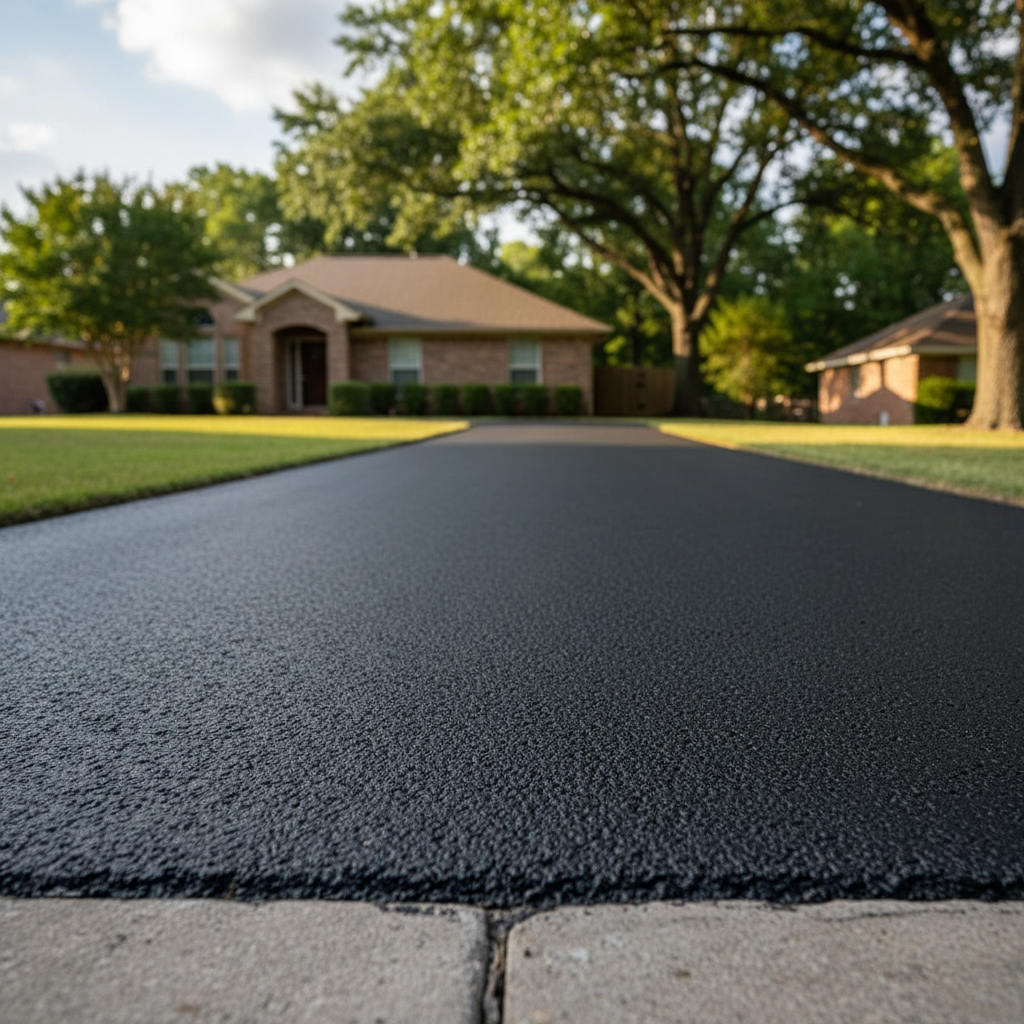
Alright, let's talk driveways. I get a lot of calls from homeowners around Humble, Atascocita, and Kingwood, and after a while, you start to hear the same questions pop up again and again. It makes sense; a driveway is a big investment, and you want to get it right, right? So, I figured I'd put together some straight answers to the stuff you're probably wondering about.
What's the best material for a residential driveway?
This is probably the number one question I get. For residential driveways, you're usually looking at asphalt or concrete. Both have their good points and bad points. Asphalt, which is what we specialize in at Coastal Asphalt Co, is generally more flexible. That's a big deal here in Humble, especially with our expansive clay soils. It can handle the ground shifting a bit without cracking as easily as concrete might. It's also typically quicker to install and cheaper upfront. Concrete, on the other hand, is super durable and can last a very long time if it's installed correctly. But it's more expensive and can crack if the ground moves too much. Plus, it takes longer to cure before you can even drive on it.
How long does a new asphalt driveway typically last?
A well-installed asphalt driveway, with proper maintenance, can easily last 15-20 years, sometimes even longer. The key, though, is "well-installed" and "proper maintenance." That means a good base, correct drainage, and sealcoating every few years. If you neglect it, you'll see it fall apart much faster. Think of it like your car; you change the oil, don't you? Same idea with your driveway.
What kind of prep work is involved before paving?
A lot, actually. The foundation is everything. First, we've got to clear the area, remove any old material, and make sure the subgrade is properly graded for drainage. Then, we lay down and compact a good, strong base layer – usually crushed aggregate. This base is critical for supporting the weight of vehicles and preventing future issues. If you skimp on the base, you're asking for trouble down the road, literally. We spend a lot of time on this step because it's what makes the whole thing last.
How important is drainage for my driveway?
Extremely important. If water sits on your driveway, it's going to find its way into cracks, get under the surface, and start eroding the base. This leads to potholes, cracking, and a much shorter lifespan for your pavement. We always make sure your driveway is graded to shed water away from your home and other structures, directing it to storm drains or appropriate runoff areas. Sometimes this means installing culverts or catch basins. You definitely don't want standing water after one of our famous Houston thunderstorms.
Can I pave over my existing gravel driveway?
Sometimes, yes, but it really depends on the condition of that gravel. If it's a well-established, compacted gravel base that's been there for a while and has good drainage, we might be able to grade it, add some fresh material, and pave right over it. But if it's thin, uneven, or has poor drainage, we'll likely need to do more significant base work. We'd have to come out and take a look to give you an honest assessment. Don't let anyone tell you it's always a simple overlay without checking it out first.
How soon can I drive on my new asphalt driveway?
For a new asphalt driveway, you generally want to wait about 2-3 days before driving on it. This gives the asphalt time to cool and harden properly. Heavy trucks or RVs should probably wait a bit longer, maybe 5-7 days. It's still curing for several months, so try to avoid parking heavy vehicles in the exact same spot for extended periods during that time, especially in the heat of a Texas summer. You'll see tire marks if you turn your wheels while stationary on fresh asphalt – it's normal, but try to avoid it.
What about permeable paving options?
Permeable paving, sometimes called porous asphalt or concrete, is gaining traction, especially in areas with drainage challenges or where folks want to be more environmentally friendly. It's designed to let rainwater filter through the surface into a stone base underneath, which then slowly releases it back into the ground. This can help cut down on stormwater runoff and replenish groundwater. It's a great option for some properties, but it does have different maintenance requirements and can be a bit more expensive upfront. It's not for every situation, but it's definitely something we can discuss if you're interested in managing water on your property differently.
Hopefully, this clears up some of the common questions you might have. If you've got more, don't hesitate to give Coastal Asphalt Co a call. We're always happy to talk shop and help you figure out the best solution for your home.