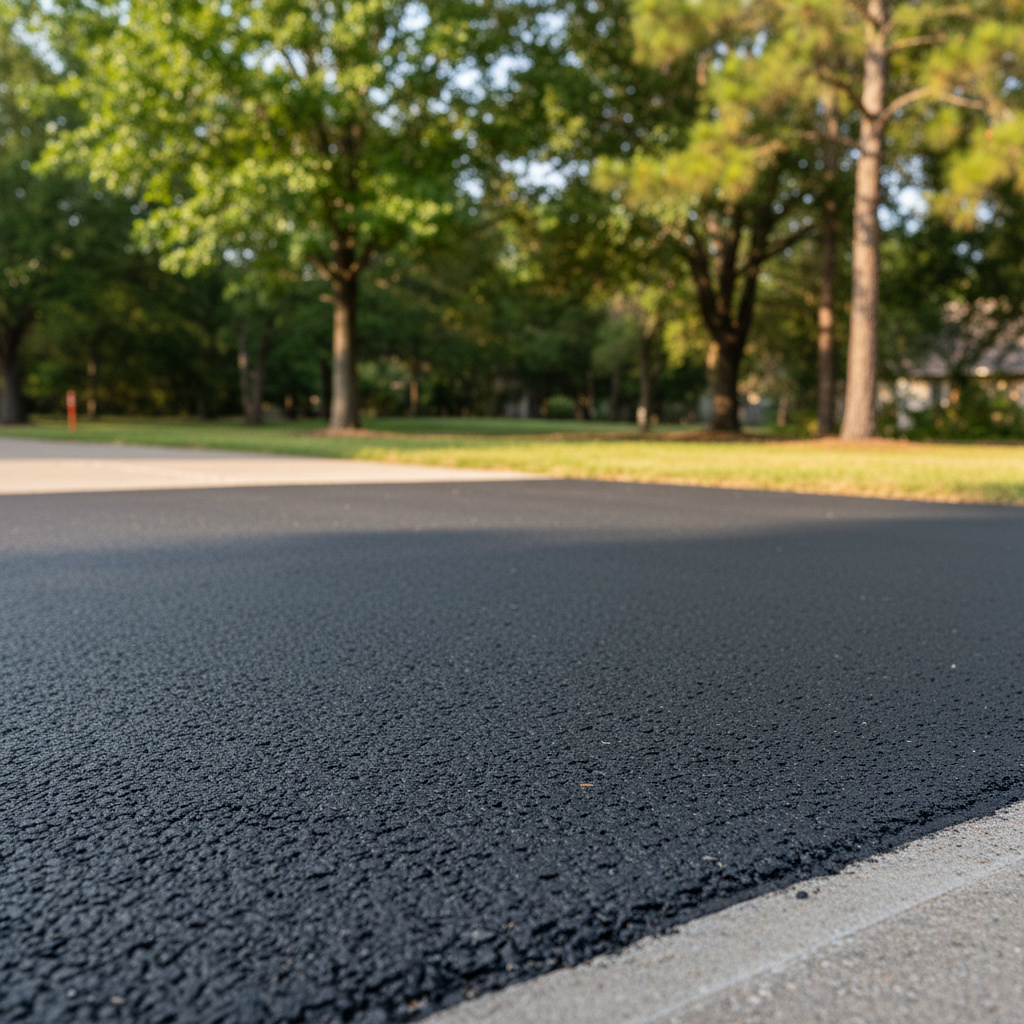
Alright, let's talk about asphalt repair. I've been doing this for a long time here in Humble, and I hear the same questions over and over from folks just like you. It's good to ask! You want to protect your investment, right? And a good driveway or parking area really does make a big difference. So, I'm gonna lay out the answers to your most common asphalt repair questions. No fluff, just what you need to know.
What's causing these cracks and potholes in my asphalt?
This is probably the number one question I get. There are a few main culprits, and they often gang up on your asphalt. First off, water is asphalt's worst enemy. When water seeps into tiny cracks, and then we get those freeze-thaw cycles we sometimes see in our Texas winters, that water expands as it freezes. That expansion pushes the asphalt apart, making cracks bigger. Then, when it thaws, it leaves a void, and the asphalt above it collapses, creating a pothole. It's a vicious cycle, believe me.
The sun is another big factor. Our intense Humble summers can really bake the asphalt, making it brittle over time. That just makes it more prone to cracking. Heavy loads, like big trucks or RVs parked on your driveway regularly, can also stress the asphalt, especially if the base underneath isn't strong enough. And honestly, sometimes it's just age. Asphalt isn't immortal; it degrades over time, no matter how well it was installed or maintained.
Can I just patch these problems myself?
You can, but should you? That's the real question. For very small, superficial cracks, you can buy some crack filler at a hardware store. It's a temporary fix, though. Think of it like putting a band-aid on a cut that really needs stitches. For potholes, you can get cold patch material. You dump it in, tamp it down, and it'll fill the hole. Again, it's usually a temporary solution. It doesn't bond permanently with the existing asphalt, so it'll often pop out or degrade quickly, especially with our heavy rains and the clay soil we have around here that can shift.
If you're looking for a lasting repair, it really needs to be done right. That means cleaning out the area properly, cutting out the damaged section, preparing the base, and then applying hot asphalt that's compacted correctly. That's a job for pros with the right equipment. If you try to DIY a bigger repair, you might end up spending more in the long run when it fails and needs to be redone properly anyway.
When is it too late for repair, and I need a full replacement?
This is a judgment call, and it's where an experienced eye comes in handy. Generally, if your asphalt has widespread cracking – we're talking alligator cracking over a large percentage of the surface – or if there are significant dips, humps, or drainage issues that affect more than a quarter of the area, you're probably looking at replacement or at least a major resurfacing job. If the base underneath is failing, and you see soft spots or areas that sink when you drive over them, that's a strong indicator you need more than just a patch.
Think of it this way: if you're constantly patching new areas every few months, or if the patches aren't holding, you're throwing good money after bad. At some point, it's more cost-effective to just bite the bullet and get a fresh start. We can certainly come out and give you an honest assessment, no problem.
How long do asphalt repairs typically last?
That depends entirely on the type of repair, the quality of the work, and how well you maintain it afterward. A simple crack fill might last a year or two. A well-done pothole patch using hot asphalt and proper compaction could last 3-5 years, maybe even longer if the underlying issue (like a bad base) isn't too severe. Larger cut-and-patch repairs, where we remove a section and replace it, can last 5-10 years, sometimes more, especially if the rest of the asphalt is in decent shape and you sealcoat it regularly.
The key is addressing the root cause. If you just fill a pothole but don't fix the drainage issue that caused water to pool there, that pothole will be back. Good maintenance, like regular sealcoating, also extends the life of any repair by protecting the asphalt from water and UV damage.
What's the deal with drainage? How does it affect my asphalt?
Drainage is HUGE. Seriously, it's one of the most critical factors for asphalt longevity. If water sits on your asphalt, or worse, if it drains *underneath* your asphalt, you're going to have problems. Standing water on the surface softens the asphalt and makes it more susceptible to cracking and potholes. Water under the asphalt can erode the base material, leading to unstable spots, sinking, and ultimately, structural failure of the pavement.
Around Humble, we get some serious downpours. If your driveway isn't graded properly to shed water away from the surface and away from your home's foundation, you're asking for trouble. When we assess a repair, we're not just looking at the crack; we're looking at why it's there, and often, poor drainage is a big part of the story. Sometimes a repair needs to include fixing a drainage issue, like adding a small swale or adjusting a low spot, to make sure the repair actually holds up.
Do I need to sealcoat after a repair?
Yes, absolutely, you should. Think of sealcoating as sunscreen and a protective layer for your asphalt. After a repair, especially a larger one, the new asphalt might have a slightly different texture or color than the old. Sealcoating evens that out visually, but more importantly, it protects both the new and existing asphalt.
Sealcoat helps prevent water penetration, slows down oxidation from the sun's UV rays, and makes the surface more resistant to oil and gas spills. It binds the small aggregate particles together, making the surface stronger. I usually recommend waiting about 30-90 days after a major repair for the new asphalt to fully cure before applying sealcoat. It's a relatively inexpensive way to significantly extend the life of your asphalt and your repairs. It's part of a good maintenance plan, and we at Coastal Asphalt Co. can help you with that.
What's the best time of year to get asphalt repairs done in Humble?
Generally, spring and fall are ideal for asphalt repairs here in Humble. The temperatures are usually moderate – not too hot, not too cold. Asphalt needs certain temperatures to cure properly. If it's too cold, the asphalt can become brittle and won't compact well. If it's too hot, it can be difficult to work with and might not set up correctly, potentially leading to premature failure.
Mid-summer can work, but those scorching 100-degree days can make it challenging for the crew and for the asphalt to cure optimally. Winter can be tricky because of potential cold snaps and rain. So, if you're planning repairs, aim for those sweet spots in the spring or fall. That said, if you have an urgent issue like a dangerous pothole, we can often work in less-than-ideal conditions to get it safe, even if it means taking extra precautions.